MEET THE POLLINATORS

Hummingbirds are nature’s high-speed couriers, sipping nectar and spreading pollen while moving faster than your camera can focus. Beauty, brains, and a beak full of purpose. Meet the birds ➜
BEES
Bees come in over 4,000 flavors in North America alone—from bumble to mason to the tiny sweat bee. They’re the MVPs of pollination. Meet the bees ➜
BIRDS
SIDEKICKS
Moths, beetles, flies—these low-key pollinators may not win popularity contests, but they’re out there working the night shift and cleanup crew. Just because they’re not flashy doesn’t mean they’re not vital. Meet the sidekicks ➜
BUTTERFLIES
Pollination isn’t their main gig, but butterflies still help out—gracefully flitting from flower to flower like it’s a garden runway. Bonus: they look amazing doing it. Meet the butterflies ➜
BEES 🐝
Bees are some of the hardest-working pollinators. Some live in big hives, while others live alone. Michigan is home to over 450 types of bees—but here are some of the most common and unique ones you might spot.

HONEY BEE
(Apis mellifera)
Honey bees are famous for making honey and living in large colonies. They’re not native to Michigan but have been here for hundreds of years.
From: Europe
Color: Fuzzy, yellow and black
Sting?: Yes — females can sting once, and only if provoked (then they die)
Living Style: Social; large hives of 10,000–60,000 bees in tree hollows or man-made boxes

BUMBLE BEE
(Bombus impatiens)
Bumble bees are big and fuzzy, and they vibrate flowers to shake pollen loose. They’re one of the most common native bees in Michigan and love wildflowers.
From: Native to Michigan
Color: Fuzzy, yellow and black with rounded bodies
Sting?: Yes — can sting more than once if threatened
Living Style: Social; colonies of 50–500 bees in underground burrows

CARPENTER BEE
(Xylocopa virginica)
Carpenter bees drill tunnels into wood to make their nests. They look like bumble bees but have shiny black abdomens and are mostly gentle.
From: Native to Michigan
Color: Black with a yellow fuzzy upper body
Sting?: Females can sting but usually don’t; males can’t sting
Living Style: Solitary; nests in wood tunnels

LEAFCUTTER BEE
(Megachile spp)
Leafcutter bees cut circles from leaves to build their nests. They are excellent pollinators and work quietly without bothering people.
From: Native to Michigan
Color: Dark gray or black with pale stripes
Sting?: Yes — can sting, but rarely do
Living Style: Solitary; nests in cavities using leaf pieces

SWEAT BEE
(Halictidae family)
Sweat bees are tiny and sometimes metallic. They’re often seen on wildflowers and are drawn to human sweat for the salt.
From: Native to Michigan
Color: Metallic green, blue, or black
Sting?: Yes — mild sting, very rarely stings humans
Living Style: Mostly solitary; some live in small groups

CARPENTER BEE
(Osmia spp)
Mason bees are solitary super-pollinators that carry dry pollen on their bellies, making them even more efficient than honey bees. They nest in small holes or tubes and seal each chamber with mud—earning the name “mason.”
From: Native to Michigan
Color: Metallic blue-green or black with short fuzzy hairs
Sting?: Yes — females can sting but are very gentle and rarely do
Living Style: Solitary; nests in hollow stems, reeds, or drilled wood tubes sealed with mud
🦋 BUTTERFLIES
Butterflies may not carry as much pollen as bees, but they still help plants bloom—especially wildflowers. They also bring color and beauty to gardens and meadows.
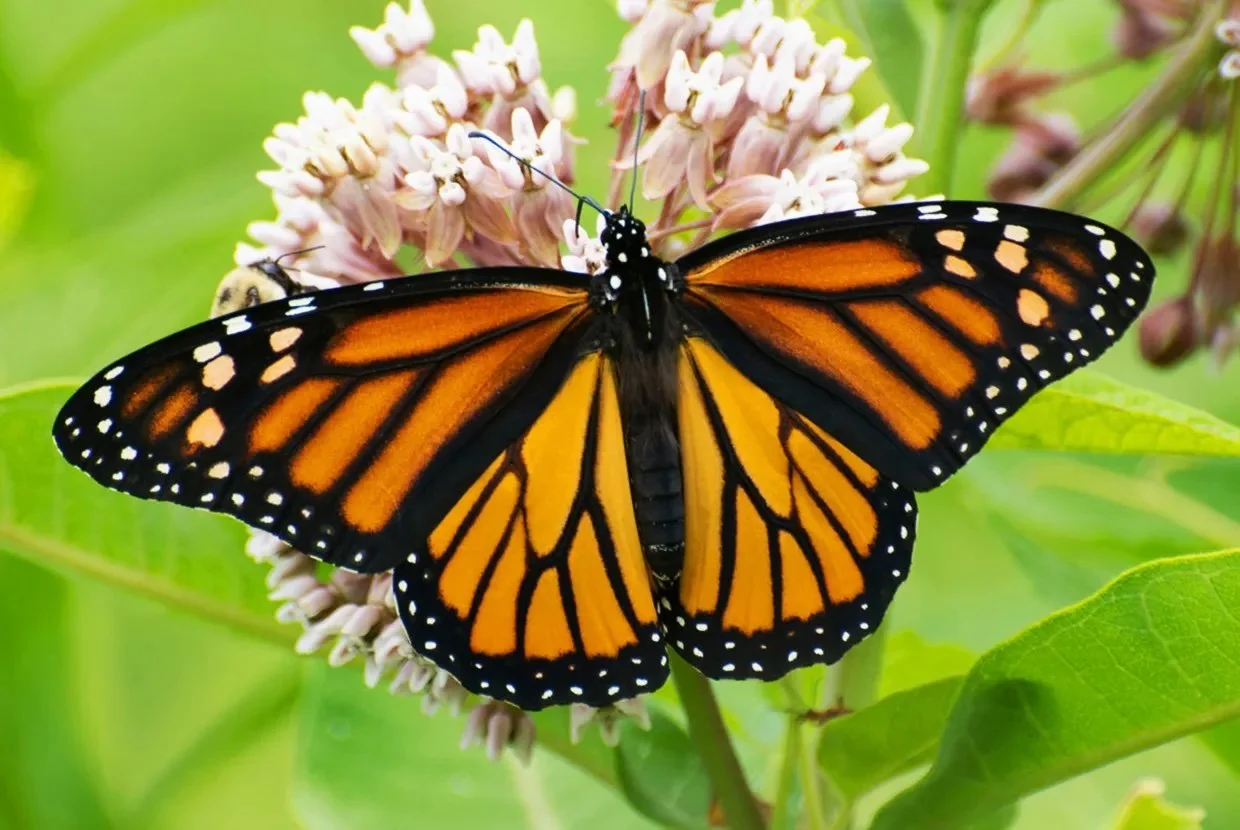
Monarch Butterfly
(Danaus plexippus)
Monarchs are easy to spot with their orange and black wings. They only lay eggs on milkweed and fly all the way to Mexico in winter.
From: Native to North America
Color: Orange with black and white spots
Living Style: Solitary
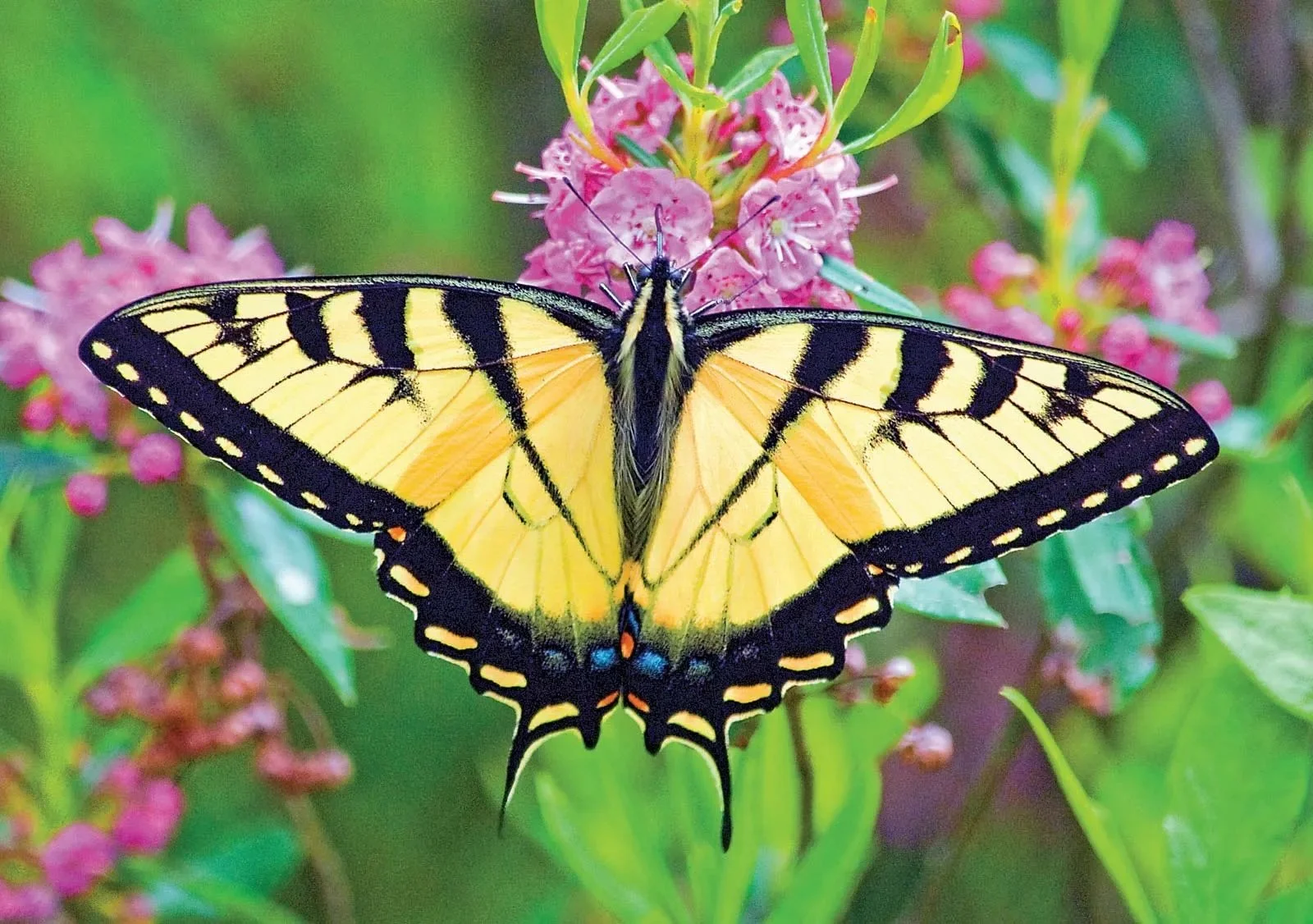
Eastern Tiger Swallowtail
(Papilio glaucus)
Tiger swallowtails are large, yellow butterflies with black stripes. They like sunny spaces and flutter around flowering trees and gardens.
From: Native to eastern U.S.
Color: Bright yellow with black edges and stripes
Living Style: Solitary
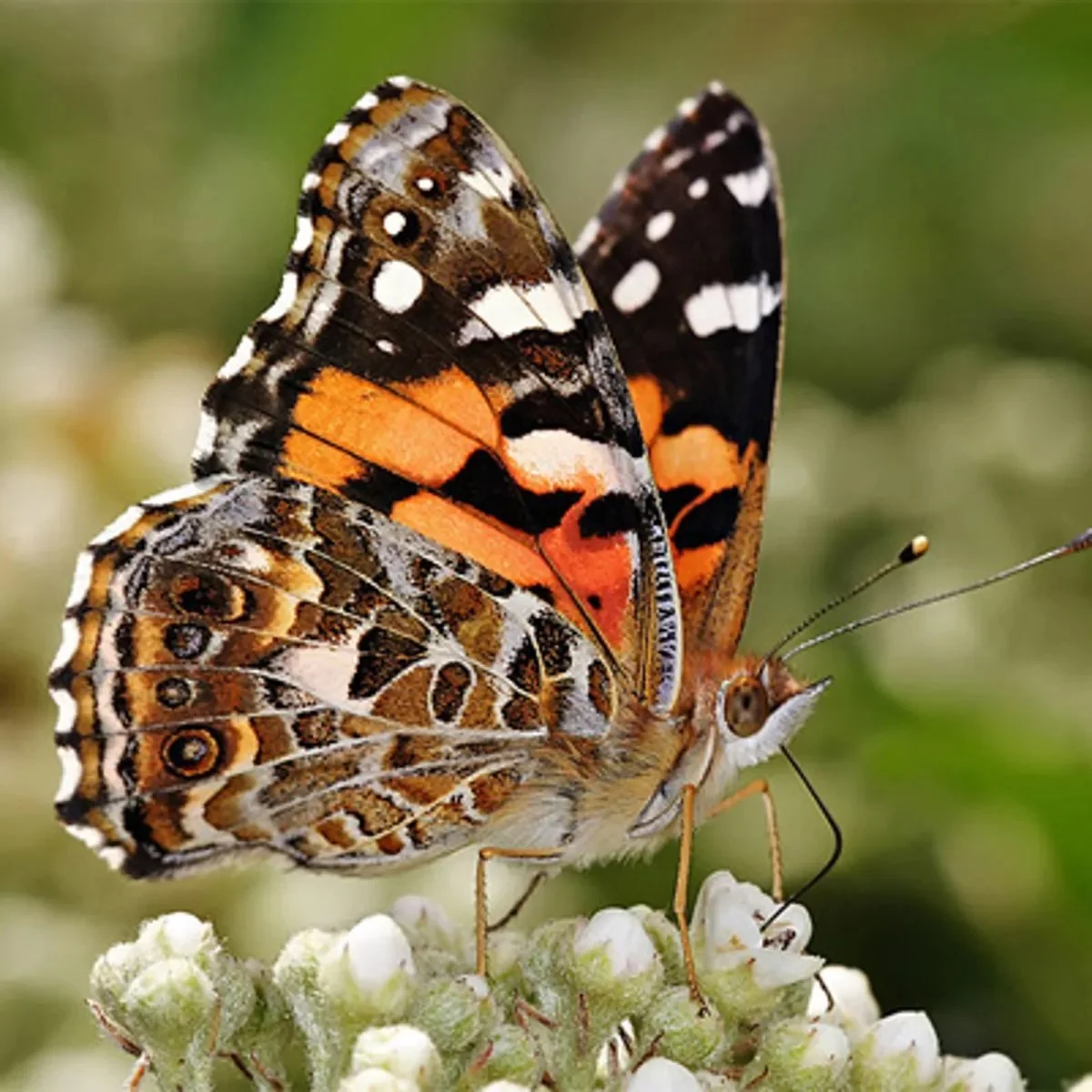
Painted Lady Butterfly
(Vanessa cardui)
Painted ladies are orange-and-black travelers that migrate long distances. They’re one of the most widespread butterflies on Earth and show up in Michigan gardens every summer.
From: Found worldwide; migrates to Michigan in summer
Color: Orange and black with white spots
Living Style: Solitary
OTHER POLLINATORS
Some pollinators don’t look like the usual bees or butterflies. Flies, moths, and even hummingbirds help spread pollen and keep plants growing strong.
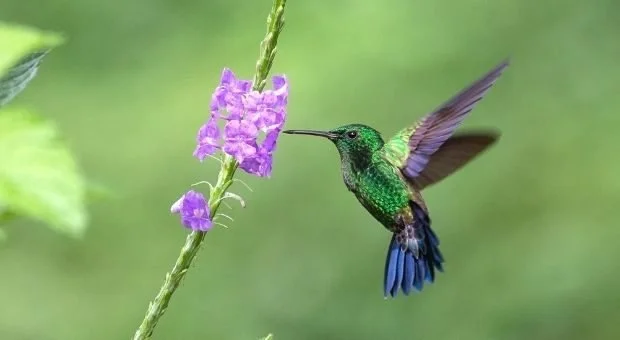
HUMMING-BIRD
(Archilochus colubris)
This tiny bird hovers like a helicopter and loves bright red flowers. It’s the only hummingbird that lives in Michigan during summer.
From: Native to Michigan (summer only)
Color: Green body; males have a red throat
Living Style: Solitary; nests in trees

HOVERFLY
(Syrphidae family)
Hoverflies look like bees but are actually harmless flies. They hover over flowers and help pollinate vegetables and wild plants.
From: Native to Michigan
Color: Yellow and black stripes (bee lookalike)
Living Style: Solitary

SPHINX MOTH
(Hemaris thysbe)
This moth flies and hovers just like a hummingbird. It feeds on deep flowers during the day and is often seen in gardens
From: Native to Michigan
Color: Brown and pink wings with clear spots
Living Style: Solitary
THE POLLINATOR EFFECT:
WHAT’S AT STAKE

FRUITS & VEGETABLES
Pollinators are behind one in every three bites of food we eat — including staples like apples, tomatoes, and berries. Without them, entire sections of the grocery store would vanish.

NUTS & SEEDS
Pollinators make almonds, pistachios, and sunflowers possible — powering everything from granola bars to cooking oils. Without them, plant-based diets and global food systems would suffer.
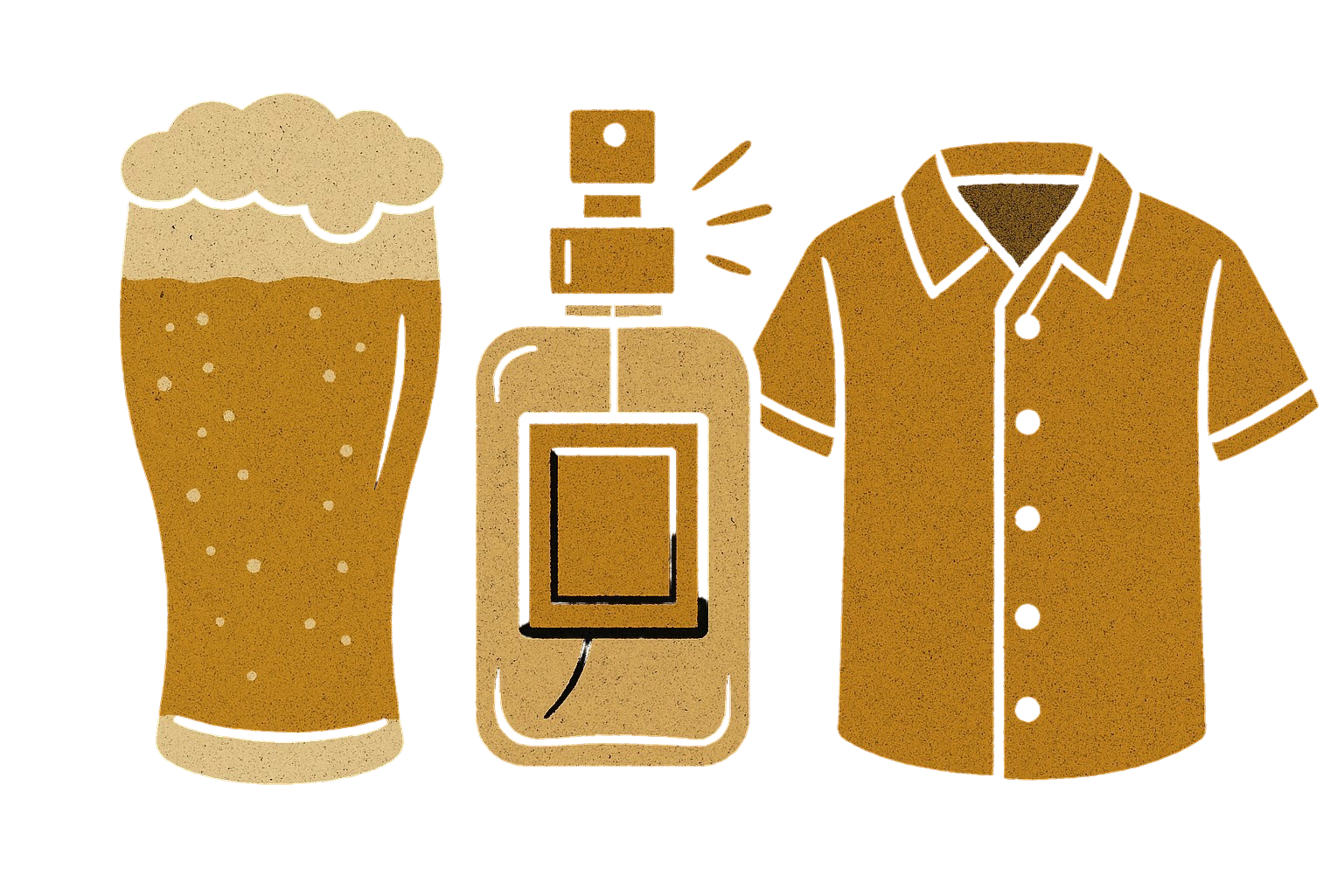
EVERYDAY ITEMS
From cotton tees to your favorite IPA, pollination is behind more of your life than you think. Coffee, perfume, fresh flowers, and even your wardrobe all get a boost from pollinators.

OUR ECOSYSTEM
Pollinators are a keystone of healthy ecosystems, supporting the plants that feed entire food webs. When they thrive, birds, mammals, and countless other species thrive with them.
WHAT’S HAPPENING TO OUR POLLINATORS
For thousands of years, pollinators thrived alongside wildflowers, trees, and crops. But over the past few decades, things have started to go wrong. Populations of bees, butterflies, and other pollinators are shrinking—and fast. Here’s how we got here.

1970 – Peak Pollination Power
Nearly 6 million managed hives buzz across the U.S., fueling agriculture. It’s the golden era of bee populations.

1980 – Enter: Roundup®
Glyphosate floods America, killing not just weeds but the wildflowers bees depend on. Even worse, glyphosate disrupts the gut microbiomes bees need to fight disease and digest nutrients. With their habitats poisoned and immune systems weakened, the crash begins.

1987 – The Bloodsucker Arrives
The Varroa destructor mite is accidentally imported from Asia, It latches onto bees like a tick, feeds on their fat stores and blood, and injects deadly viruses.

1995 – Neonic Blitz Begins
Chemical giants begin coating seeds with neonicotinoids—neurotoxins that spread through the entire plant. Pollinators absorb pollen and nectar. It scrambles navigation, shuts down their nervous system, and kills bees mid-flight.

2006 to Now – Colony Collapse Disorder Hits
“Colony Collapse Disorder” hits headlines. Adult bees vanish. Scientists point to the chemical stew: neonics, glyphosate, mites, and viruses.
WHAT YOU CAN DO TO HELP
But the story isn’t over. Even small changes can make a big difference. From planting native flowers to skipping pesticides, there are simple, powerful ways to help pollinators right where you live. Whether you have a garden, a balcony, or just a sunny windowsill, you can be part of the solution.
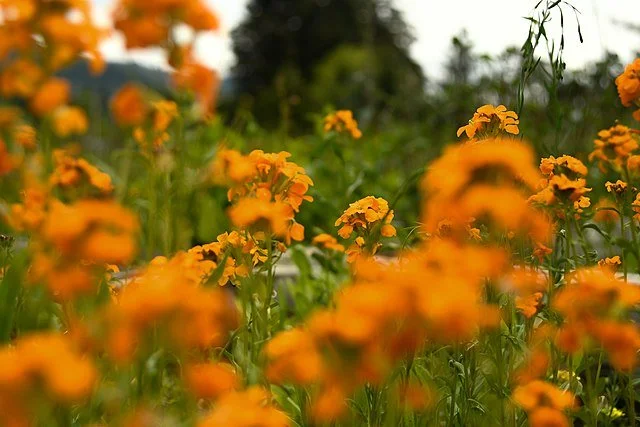
Plant Pollinator-Friendly Flowers
From native bees to butterflies, all pollinators need diverse, nectar-rich plants to survive. Even a small garden or balcony box filled with native wildflowers can become a lifeline.

Rethink Your Lawn & Pesticides
Traditional lawns are ecological dead zones—and pesticides make them even worse. By replacing grass with wildflower patches and skipping the spray, you turn your yard into a pollinator haven.

Get Loud
Pollinators can’t speak for themselves, but you can. Use your voice to push for pollinator-safe policies, share the science, and challenge companies fueling this crisis.

Donate to
Bees in the D
Your support helps us rebuild hives, expand education, and protect vital pollinator habitats across Detroit and beyond. Every dollar fuels real action—and real hope—for pollinators.